
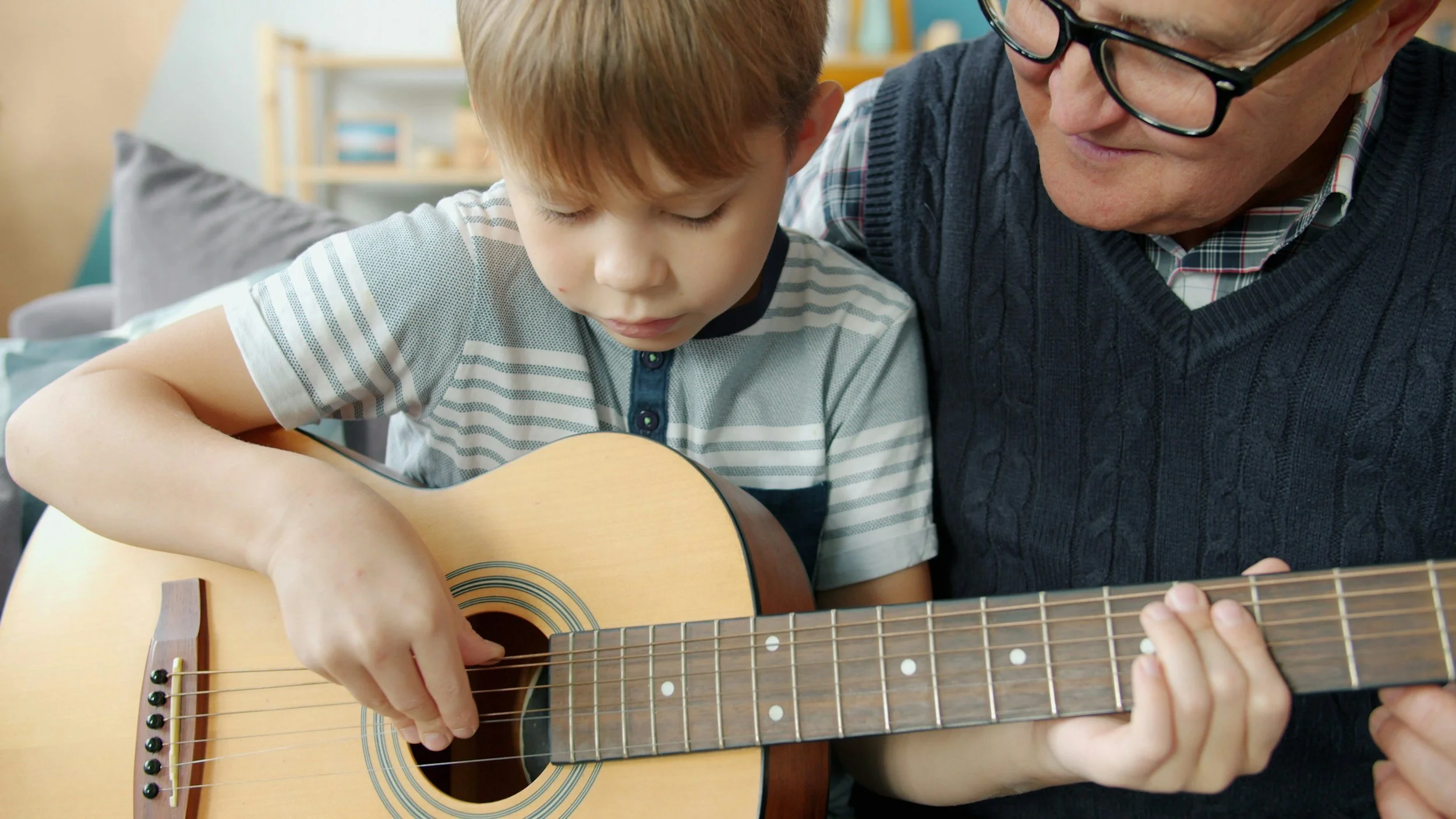
Our society can be pretty intense when it comes to extracurriculars. Music is oftentimes just one of many students’ activities. Even though they may be passionate and energetic, children are just as susceptible to burnout as adults are. Read on to discover why even enthusiastic kids may suddenly lose interest in learning and instrument and how to intervene before it becomes quitting.
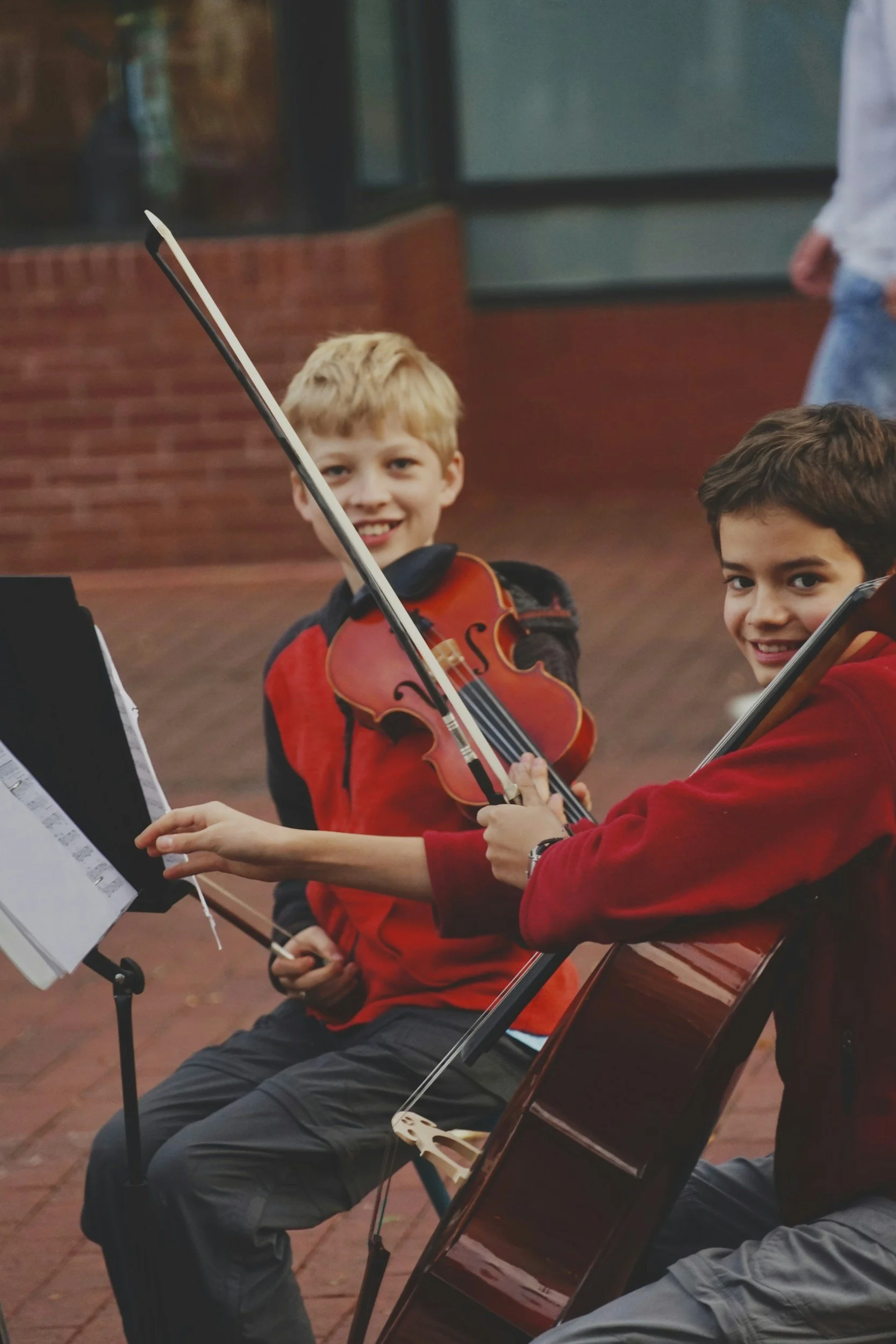
What Burnout Looks Like in Young Musicians
Musical burnout in children an be identified by a few key changes in their attitude and behavior. Be on the lookout for things like these!
Sudden reluctance to practice. Many kids can have a general avoidance of practicing, but be aware if the change is abrupt or more intense than seems normal.
Emotional sensitivity during lessons. I remember a high school piano lesson where I started crying and simply couldn’t stop. My teacher hadn’t done anything wrong, I just was at a point in the school year where I was beginning to burn out and couldn’t handle it. If your student is becoming easily upset during lessons, especially if it’s out of nowhere, this may be a sign that they’re overwhelmed.
Frustration with pieces that used to be easy. When favorite pieces no longer become places of joy and security, it’s another indicator that a student may be experiencing burnout. A shorter attention span and easier irritability usually come with this.
Withdrawing from ensemble or performance opportunities. This is a fairly obvious signal that a student may need reevaluate their situation and commitments.
Why Burnout Happens
An article published in February 2025 by Forbes indicated that burnout had risen to 66% in working adults (https://www.forbes.com/sites/bryanrobinson/2025/02/08/job-burnout-at-66-in-2025-new-study-shows/). A 2023 survey of parents of teenagers indicated that 70% believed their children were suffering from more burnout than the parents. (https://presence.com/articles/schools/child-burnout-a-growing-concern-for-parents-and-schools/) These statistics are likely even worse in 2026 as they have been trending upward since the COVID pandemic. Below are some of the reasons that may contribute to burnout in young musicians.
Overscheduling (sports + school + music). American high schools tend to emphasize doing as much as possible in order to create a “well-rounded” resume for college or the job market. This isn’t necessarily a bad thing, but the competitive level at which many of these activities are performed can create immense pressure for young students. This is on top of academic and family commitments can be a large factor in creating burnout.
Repertoire that’s too hard or too easy. In weightlifting, the athlete needs to utilize the correct amount of weight. Too light, and they won’t have an effective workout. Too heavy and they risk injury. The same is true for musicians. Repertoire that is too easy doesn’t provide a challenge while rep that is too difficult can cause frustration, improper technique, and even injury. It is essential that a student learns music that is appropriate to their level in order for them to improve.
Pressure to be “perfect.” This pressure can be internal or external. Some students can be extremely hard on themselves. In the same vein, many students have parents that put an incredible amount of pressure on them. If you have a music student, ensure that you manage your expectations for their progress so that you don’t unintentionally become part of the problem.
Lack of agency in choosing music. Sometimes, students need to have a say in what they play. If your student is particularly passionate about jazz music, incorporate some of that into lessons. Although the “lesson material” is important, digging in to what makes a young musician excited about playing their instrument is also essential. It’s music, after all!
Practice routines that feel repetitive or joyless. Practice sessions that are exactly the same every day can start to feel like drudgery. If you or your student are starting to feel unmotivated, ask your teacher about ways to change up your routine.
What You Can Do at Home
There are ways to mitigate or reverse burnout at home which you can implement for yourself or your student. Below are just a few suggestions.
Normalize taking short breaks. If motivation is beginning to wane, take a 3-5 minute brain break. A quick walk around the house, a change of scenery, a stretch: these things can help reset the mind and body for a more productive practice session.
Reframe progress: “consistency” not “perfection.” The goal of music lessons is progress over perfection. Emphasizing this and focusing more on what has gotten better can help reframe negative thinking and allow for positive associations with practice and music lessons.
Ask open-ended check-in questions. It’s important to check-in with your student (or yourself), but not to hold expectations for how the check-in will be. Honesty is important, and so is being realistic about one’s feelings and capabilities.
Let them choose a “just for fun” piece. Like I mentioned previously, students need to have some agency in their lessons. Allowing them to select a piece that brings then joy can help bring the spark back into music-making. Oftentimes, those pieces also provide excellent opportunities for instruction and learning!
Keep practice sessions short + structured. Having a checklist with simple tasks that are easily checked off can help with this point. When experiencing burnout, structure can be extremely helpful in order to avoid decision-making fatigue. A teacher can help prepare a practice schedule or outline.
When It Might Be More Than Burnout
In today’s world, sometimes young students are experiencing mental health concerns that go beyond burnout. If you think this might be the case, it can be helpful to ask the student’s teacher as well to see if more significant changes have been noted. Consult with your student’s physician to create a plan of action should the problem appear to be more concerning, of course.
To conclude: burnout is common , and reversible. A small shift in support can bring back joy in music-making. Take care of yourself, and thank you for reading!
~ Charissa Garrigus, Instructor at Vibe Music Academy
